
Last Updated: October 26, 2026
Quick Summary
Car 2026 compliance refers to meeting the legal requirements under the Control of Asbestos Regulations 2012 for managing asbestos in properties. Landlords must identify asbestos, assess its risk, and manage it to prevent exposure, with breaches resulting in fines of £20,000 or more.
- Assume asbestos is present in any building constructed or refurbished before 2000.
- A professional asbestos survey by a competent person is the foundation of compliance.
- Your asbestos register must be reviewed annually and updated whenever work affects asbestos materials.
- Inform all contractors before work begins if asbestos is present in areas they will access.
- Monitor asbestos condition regularly; good condition materials can deteriorate over time.
Table of Contents
- What Car 2026 Compliance Means for Property Owners
- Understanding Landlord Asbestos Responsibilities
- The Asbestos Survey for Landlords: What You Need to Know
- Creating and Maintaining an Asbestos Management Plan
- Developing Your Asbestos Register Template
- Common Compliance Mistakes and How to Avoid Them
- Getting Your Asbestos Survey Started
- Frequently Asked Questions
What Car 2026 Compliance Means for Property Owners
Car 2026 compliance refers to meeting the legal requirements set out under the Control of Asbestos Regulations 2012 (CAR 2012) for managing asbestos in properties. For landlords and property owners, this isn’t optional, it’s a statutory duty that carries real consequences if ignored. The HSE takes enforcement seriously, and breaches can result in fines reaching £20,000 or more, plus potential criminal liability in serious cases.
Every landlord with a property built or refurbished before the year 2000 should assume asbestos is present somewhere, in insulation, floor tiles, pipe lagging, or roofing materials.
The core principle is straightforward: you must prevent exposure to asbestos fibres. This applies whether you’re managing a single rental property, overseeing a commercial portfolio, or planning a refurbishment project. The regulations don’t distinguish between large and small operations, the duty applies equally. Understanding your obligations now prevents costly mistakes later and protects the people who work in or occupy your buildings.
Understanding Landlord Asbestos Responsibilities
Your responsibilities under CAR 2012 centre on three core obligations: identifying asbestos, assessing the risk, and managing it properly. These aren’t separate tasks, they’re interconnected parts of a single duty of care.
First, you must assume asbestos is present in any building constructed or refurbished before 2000. This is the legal starting point. You cannot simply assume it isn’t there because you’ve never seen it. The regulations place the burden on you to establish what asbestos-containing materials (ACMs) exist in your property.
Second, you must assess the condition and risk posed by any asbestos you identify. A piece of asbestos lagging in pristine condition poses a different risk than the same material that’s crumbling and releasing fibres.
Third, you must manage identified asbestos to prevent exposure. This means implementing control measures, maintaining records, and informing anyone who might disturb the material, contractors, maintenance staff, emergency responders, that asbestos is present. A common mistake is treating the asbestos register as the end of the process. It’s actually the beginning.
The Health and Safety Executive’s guidance on managing asbestos emphasises that landlords cannot delegate this duty away. You remain responsible even if you hire contractors or property managers. They may carry out specific tasks, but the legal duty rests with you.
The Asbestos Survey for Landlords: What You Need to Know
An asbestos survey is the foundation of car 2026 compliance. Without it, you’re operating in the dark, guessing at what might be in your building and hoping nothing goes wrong.
There are two main types of survey. A management survey identifies asbestos-containing materials that are accessible and pose no significant risk during the survey itself. This is the most common type for landlords managing occupied properties.
A professional surveyor will inspect your property systematically, taking samples from suspected asbestos materials and sending them to an accredited laboratory for analysis. The surveyor documents the location, condition, and extent of any ACMs found.
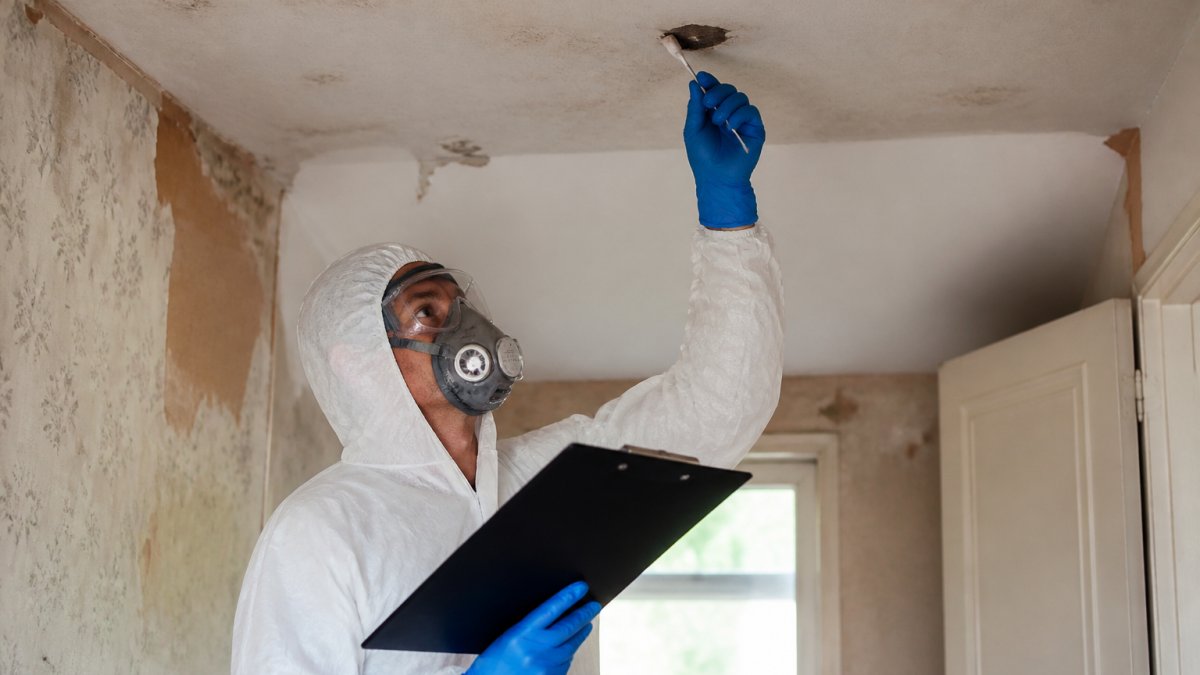
Many landlords delay surveys because they worry about cost or disruption. Property Group can arrange surveys with rapid turnaround, typically 24 to 48 hours, so you don’t have to wait weeks for answers.
A survey also protects you during property transactions. If you’re selling a property, a buyer’s solicitor will almost certainly require asbestos survey evidence. Having this documentation ready accelerates the sale and prevents last-minute complications.
CAR 2012 requirements for asbestos surveys specifies that surveys must be carried out by competent persons. This isn’t a task for untrained staff or cowboys offering cheap surveys.
Creating and Maintaining an Asbestos Management Plan
Once your survey is complete, the next step is developing an asbestos management plan. This document outlines how you will manage the asbestos in your property to prevent exposure.
Your management plan should specify:
- The location and condition of each ACM identified
- The risk assessment for each material
- Control measures to prevent disturbance
- Procedures for emergency response if asbestos is accidentally disturbed
- Arrangements for monitoring and reviewing the plan
- Communication protocols, how you’ll inform contractors, tenants, and staff that asbestos is present
The plan isn’t a one-time document. It evolves as your property changes. If you carry out refurbishment work, your plan must be updated to reflect the removal or encapsulation of materials. If a surveyor identifies new areas of concern, the plan adapts accordingly.
A common error is creating a management plan that sits in a drawer, never consulted. The plans should be practical, accessible documents that your maintenance team and contractors actually use. When a plumber needs to access pipework, they should be able to quickly check whether asbestos is present in that area. When you hire a contractor for renovation work, they should receive the relevant sections of your plan before work begins.
Your management plan should also detail how you’ll communicate asbestos information to anyone who might encounter it. This includes tenants, contractors, emergency services, and maintenance staff. Clear communication prevents accidental disturbance and demonstrates your commitment to compliance.
Developing Your Asbestos Register Template
Your asbestos register is the record that proves you’ve met your legal duty to identify and assess asbestos in your property. It’s not optional, CAR 2012 requires it, and it’s your primary defence if anyone questions whether you’ve complied with the regulations.
A good asbestos register template includes:
- Property address and unique identifier
- Date of survey and surveyor details
- Location of each ACM (room, building section, or specific component)
- Material description (e.g., “pipe insulation”, “floor tiles”, “roof lagging”)
- Condition assessment (good, fair, poor, damaged)
- Quantity and extent
- Risk rating
- Recommended action
- Date action was completed (if applicable)
- Signature and date of review
The register should be reviewed annually at minimum, or whenever work is carried out that might affect asbestos-containing materials. Each review should be dated and signed, creating an audit trail that demonstrates your ongoing diligence.
Whichever format you choose, the register must be readily accessible to anyone who needs it: your maintenance team, contractors, and your own management team.
If an emergency occurs and you need to quickly inform emergency responders about asbestos locations, you need instant access to that information.
Common Compliance Mistakes and How to Avoid Them
Most landlords who fail car 2026 compliance don’t do so intentionally. They make preventable mistakes that compound over time.
The first mistake is assuming asbestos only matters in old commercial buildings. Many landlords believe their residential property is too modern or too well-maintained to contain asbestos.
The second mistake is confusing a survey with a guarantee. A survey identifies asbestos that’s accessible and visible. It doesn’t guarantee that asbestos isn’t hiding behind walls or under floorboards. Your survey report should clearly state its scope and limitations.
The third mistake is creating a register and then ignoring it. Your register must be a living document, reviewed and updated regularly. If you carry out any work on the property, your register should reflect that. If you discover new asbestos, add it. If you remove material, document the removal.
The fourth mistake is failing to communicate asbestos information to contractors. Before any work begins, contractors must know whether asbestos is present in the areas they’ll be working. This isn’t just a legal requirement, it’s a safety imperative.
The fifth mistake is assuming that because asbestos is in good condition, you can leave it alone indefinitely. Asbestos that’s in good condition now may deteriorate over time. Your management plan should include regular monitoring and a schedule for reassessing condition.
Landlords frequently make preventable mistakes that undermine their car 2026 compliance efforts.
| Mistake | Cause | How to Avoid |
|---|---|---|
| Assuming asbestos only matters in old commercial buildings | Belief that residential or well-maintained properties are too modern | Assume asbestos is present in any building built or refurbished before 2000 |
| Confusing a survey with a guarantee | Misunderstanding survey scope and limitations | Review survey report scope; conduct intrusive survey if planning major renovation |
| Creating a register then ignoring it | Treating register as end of process rather than living document | Review and update register regularly; document all work and discoveries |
| Failing to communicate asbestos information to contractors | Lack of awareness of legal and safety requirements | Inform contractors of asbestos presence before any work begins |
| Assuming good condition asbestos can be left indefinitely | Underestimating deterioration over time | Include regular monitoring in management plan; reassess condition periodically |
Getting Your Asbestos Survey Started
Starting your asbestos survey is simpler than many landlords expect. The first step is contacting a competent surveyor, someone with the right qualifications and accreditations to conduct a legally defensible survey.
When you contact a surveyor, be clear about your property type and what you need. Are you managing an occupied property and need a management survey? Are you planning refurbishment work and need a refurbishment survey? Are you selling and need evidence of due diligence?
BOHS and UKATA certification standards for asbestos surveyors ensure that your surveyor has the training and competence to do the job properly. When you’re evaluating surveyors, ask about their accreditations, laboratory partnerships, and turnaround times.
Before the survey, prepare a list of any areas you know or suspect contain asbestos. This helps the surveyor focus on the right areas and ensures nothing is missed. After the survey, you’ll receive a detailed report. Take time to understand it. Ask questions about anything unclear.
Once you have your survey report, you can develop your management plan and asbestos register. For deeper guidance on identifying asbestos in your property, check how to verify asbestos presence before conducting formal surveys.
Car 2026 compliance isn’t a one-off task, it’s an ongoing responsibility that protects your tenants, your staff, and your business. The regulations exist because asbestos exposure carries real health risks, and landlords have a duty to prevent that exposure.
Frequently Asked Questions
What are the main car 2026 compliance requirements for landlords?
Under the Control of Asbestos Regulations 2012, landlords must identify asbestos in their properties, assess the risk it pose, and manage or remove it appropriately. Failure to comply can result in significant penalties and legal liability if tenants are exposed to asbestos.
What does an asbestos survey for landlords typically involve?
An asbestos survey for landlords identifies the location, type, and condition of any asbestos-containing materials in a property. Surveyors inspect common areas, structural elements, insulation, and finishes. They take samples where necessary and provide a detailed report with risk assessments and recommendations.
Why is an asbestos management plan essential for rental properties?
An asbestos management plan documents how you will manage asbestos risks in your property. It outlines the location of materials, their condition, actions taken to prevent exposure, and monitoring schedules. This plan protects tenants, satisfies HSE requirements, and provides legal evidence that you’ve fulfilled your duty of care. It’s particularly important during refurbishments or if maintenance work is planned.
What information should I include in my asbestos register template?
Your asbestos register should record the location of each asbestos-containing material, its type (chrysotile, amosite, crocidolite), condition, quantity, and any actions taken. Include survey dates, management decisions, and maintenance history. This register must be accessible to anyone who might disturb the material, including contractors and tenants, and reviewed regularly to ensure it remains current.
What happens if asbestos is found during a survey?
If asbestos is found, your surveyor will assess its condition and risk level. If it’s in good condition and unlikely to be disturbed, it can often be managed in place with a documented plan. If it’s damaged or at high risk, professional removal by a licensed contractor is necessary. Your surveyor will provide clear recommendations, and you’ll need to act promptly to protect occupants and comply with regulations.
How often should I update my asbestos management plan?
Your asbestos management plan should be reviewed annually or whenever significant changes occur, such as refurbishments, maintenance work, or if the condition of materials changes. If asbestos is removed, your plan must be updated to reflect this. Regular reviews ensure your documentation remains accurate and your property stays compliant with CAR 2012 requirements.
